How to Prepare for a Book Launch: A Guide for Indie Authors (2026)
· 7 min read
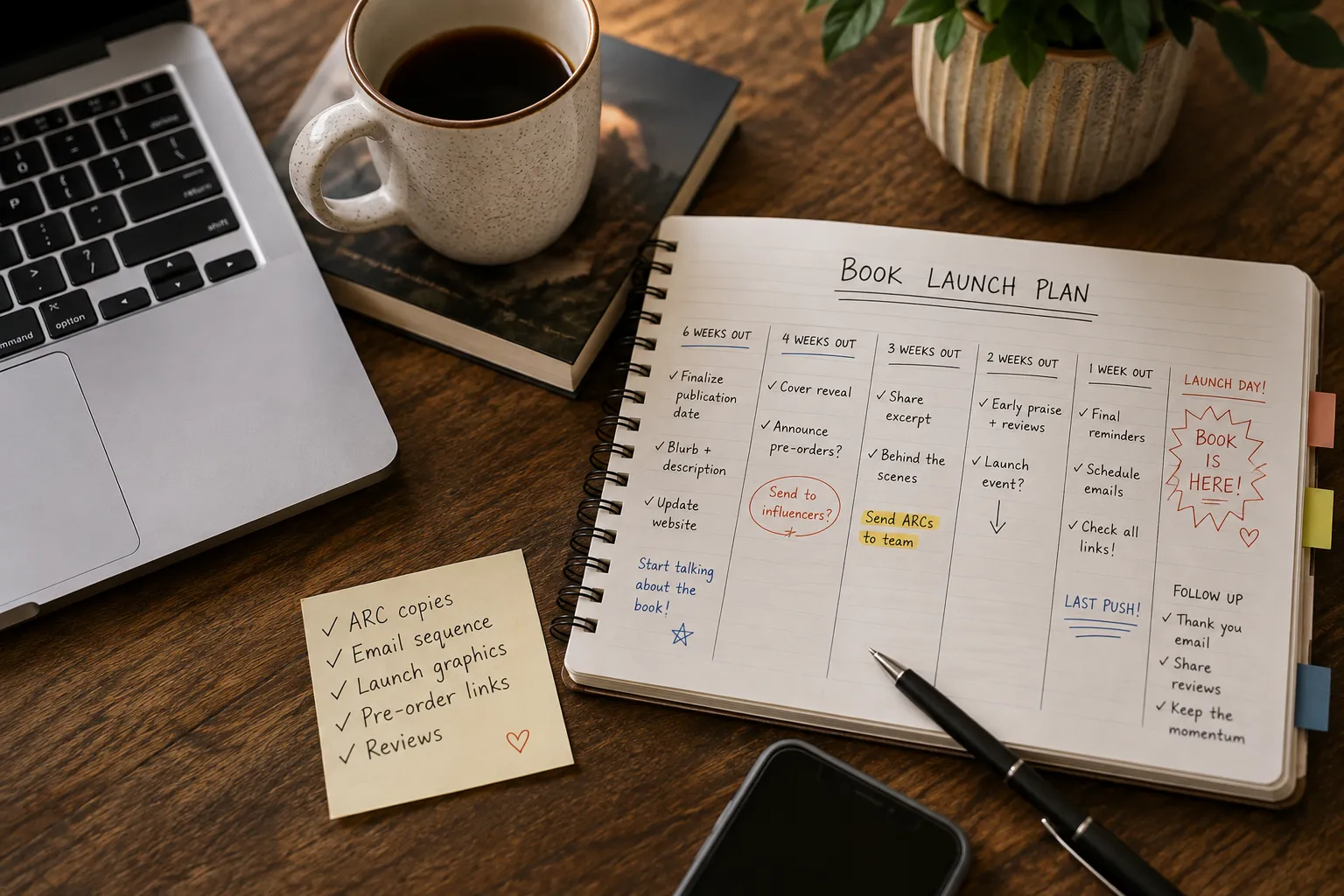
A successful book launch is built in the weeks and months before launch day, not on the day itself. Indie authors who launch well have already begun growing their email list, recruiting early readers, gathering reviews, and creating anticipation — so when the book becomes available, there's an audience ready to buy, review, and spread the word.
Here's how to prepare for a book launch, from 60 days out through launch day and beyond.
Planning your launch
How far in advance should you prepare for a book launch?
Ideally, start six to eight weeks before publication — and earlier if you're building an audience from scratch. Recruiting ARC readers, growing your email list, arranging appearances, and giving people enough time to actually read your book can't be compressed into launch week. The strongest launches are the result of cultivating readers and advocates over time, not a burst of promotion on publication day.
How do you launch a book as an indie author?
Work backward from your publication date. In the weeks before launch, build your email list, recruit early readers, distribute advance reader copies (ARCs), and start talking about the book. Then make launch day easy: give readers a clear reason to buy and a direct link to do it.
What should you do 60, 30, 14, and 7 days before a book launch?
60 days out: Lock in your publication date and core book details — title, cover, description, ISBN, categories, keywords, pricing, and distribution plan. Create or update your author website and book page. Decide where readers will be able to buy, whether you'll offer pre-orders, and whether you'll sell directly. Start identifying potential ARC readers, endorsers, reviewers, podcasters, and launch partners.
30 days out: Make sure your book page is live, your email signup is prominent, and your reader magnet is working. Recruit your ARC or launch team and begin introducing the book more actively to your audience. Prepare launch assets — graphics, excerpts, email copy, social posts, and direct-sales offers — so you're not creating everything at the last minute.
14 days out: Get ARCs into readers' hands if you haven't already and remind your launch team when and where they can leave honest reviews. Begin increasing the frequency of book-related communication with your email list. Share the story behind the book, an excerpt, early praise, or a first look at a special edition.
7 days out: Confirm that every purchase link works, schedule your launch emails, remind ARC readers about publication day, and finalize any events, livestreams, or interviews. If you're selling directly, test the entire checkout experience yourself before sending traffic to it.
Building your team
How do you build a launch team or get ARC readers?
An ARC (advance reader copy) team is a group of readers who receive your book before publication and are invited to leave an honest review once reviews are permitted. Start with people already interested in your writing: newsletter subscribers, engaged social followers, previous readers, and book-club members.
Some indie authors go further and build a street team — enthusiastic readers who voluntarily help spread the word by sharing launch posts, recommending the book in reader communities, attending events, or telling friends. You don't need hundreds of people. A smaller group of genuinely enthusiastic readers can be far more useful than a large list of people who aren't particularly engaged.
How do indie authors get reviews at launch?
Most indie authors recruit ARC readers who receive the book before publication and leave an honest review after reading it. If you'd rather not organize a formal ARC team, you can send advance copies individually to relevant readers, subject-matter experts, authors, or reviewers who are genuinely interested in the book. Never require a positive review in exchange for an advance copy, and follow each retailer or review platform's current guidelines.
Pre-orders and direct sales
Should you run a pre-order campaign?
Pre-orders give interested readers a way to buy as soon as they hear about the book, rather than asking them to remember to come back on publication day. But the right answer depends on what you're trying to accomplish.
Some authors build a pre-order campaign specifically to concentrate sales and send strong early demand signals to retailers — pre-orders may contribute to first-week sales, rankings, or recommendation algorithms depending on the retailer. For an author targeting a bestseller list or building a strong opening-week signal, coordinating pre-orders can be an important part of the strategy.
Other authors prefer to concentrate excitement around a single launch date, sell primarily from their own website, or simply keep the launch less complicated. In those cases, a short pre-order window — or none at all — can make perfect sense. The right question isn't "should I offer pre-orders?" but "what do I want this launch to accomplish?"
Can indie authors sell books directly on launch day?
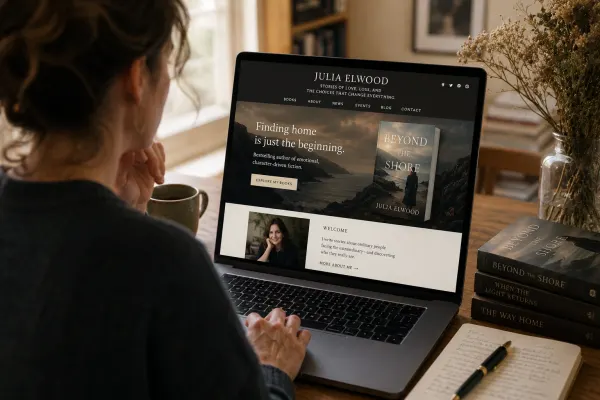
Yes — and it's worth setting up before launch, not on the day itself. Selling from your own author website means readers buy directly from you, you keep the customer relationship, and you can offer things a retailer can't: signed copies, special editions, bonus content, or bundles. With Tertulia Pro, authors can sell ebooks, audiobooks, and author-fulfilled print books directly from their websites, including signed copies. Test your checkout before sending traffic to it.
Full guide → How to Sell Books Directly to Readers
Your email list and launch emails
How do you use your email list for a book launch?
Your email list is one of your most valuable launch channels — but don't suddenly appear in subscribers' inboxes a week before publication asking them to buy. Build interest across several weeks and give readers something worth opening at each stage.
A simple six-week launch email sequence might look like this:
6 weeks out: Introduce the upcoming book. Tell readers what you're working on, why you wrote it, or what makes it meaningful to you.
4–5 weeks out: Reveal the cover, share the description, or give readers a first look at the story or world. If you're offering pre-orders, this is a natural moment to announce them.
3 weeks out: Give readers something substantive — an excerpt, bonus scene, behind-the-scenes story, research anecdote, or early endorsement.
2 weeks out: Build anticipation. Share early reader reactions, announce a launch event, remind readers about pre-orders, or reveal a special launch edition or direct-sales offer.
1 week out: Make the launch feel imminent. Tell readers exactly when and how they can get the book. If you're offering signed copies, bonus content, or another launch incentive, explain it here.
Launch day: Keep it simple: the book is here. Include the cover, a short reminder of why readers will love it, and one clear link to buy.
1–2 weeks after launch: Don't assume everyone saw your launch email. Share reader reactions, reviews, or milestones — and give anyone who missed it another opportunity to buy.
The goal is to build a narrative around your launch, not to send a string of sales pitches. Choose the moments when you genuinely have something new or interesting to share, and it won't feel like promotion.
Should authors offer discounts on launch day?
Discounting isn't the only way — or usually the best way — to create a compelling launch offer. Instead, consider giving readers an additional reason to buy during the launch window: a signed copy, bonus content, a special edition, or an exclusive bundle. For enthusiastic readers, access and exclusivity can be more compelling than a lower price, and you preserve the perceived value of the book.

What is the most important thing to do before a book launch?
Build an audience you can reach directly. A polished book page and launch-day posts matter, but they're far more effective when you've already developed an email list and a community of readers who are expecting the book. Everything else on this list supports that foundation.
Pre-launch checklist
Get launch-ready with Tertulia
Build your audience, grow your email list, and sell books directly from your author website.
Start your free trialFree 14-day trial, no credit card needed





Tertulia for Authors Newsletter
Stay in the Know. Grow as an Author.
Practical ideas, publishing insights, and opportunities for authors — including a weekly invitation to our signature Office Hours expert panels. No Tertulia account required.